
What NYC Builders and Architects Should Know Before Hiring a Construction and Architectural Photographer
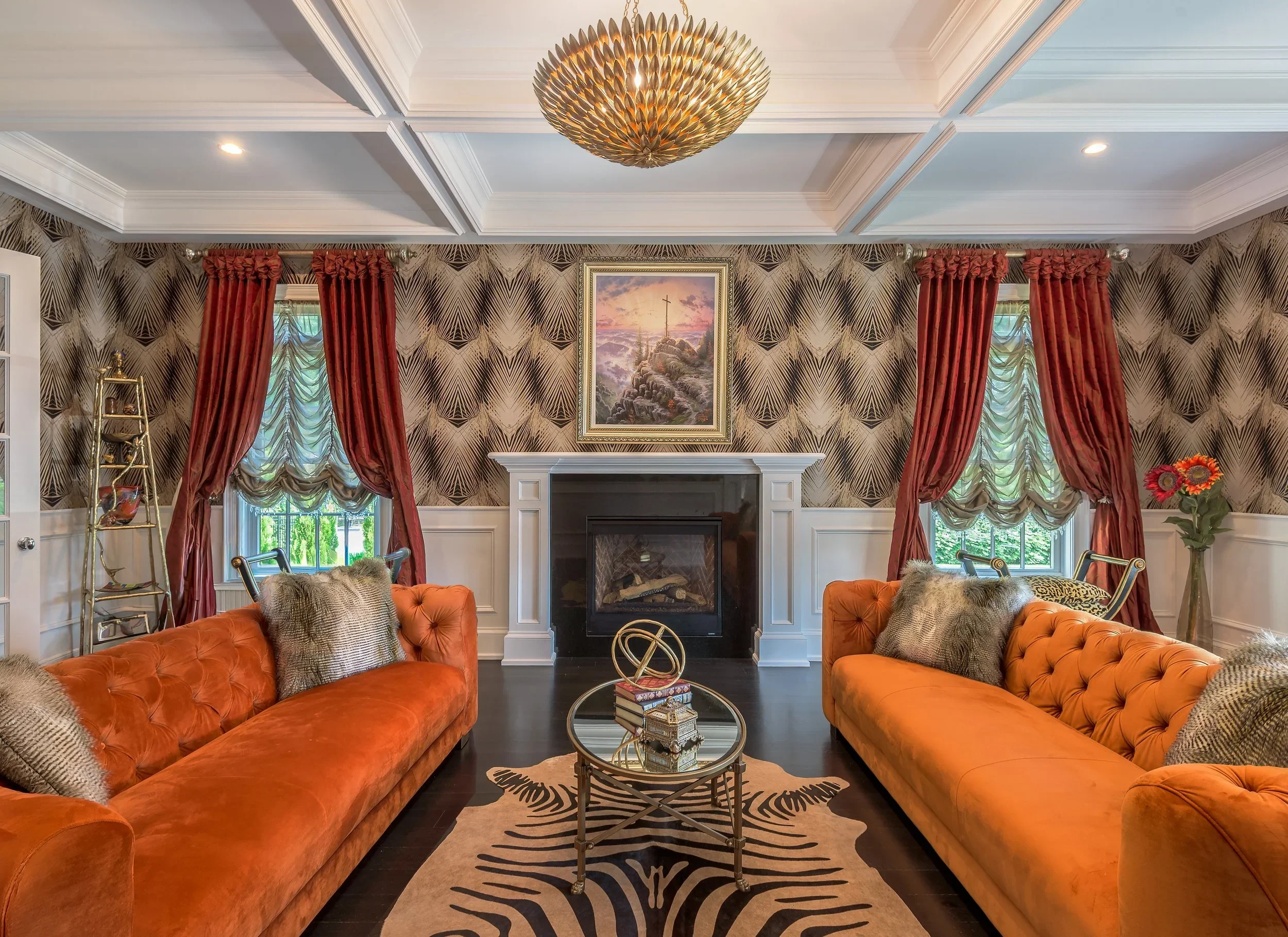
Image taken by Ariel Palma
You finished the project. The punch list is closed, the client is thrilled, and the millwork alone took three months of coordination. Then you open the photos from the shoot and they look like a real estate listing. Crooked verticals, a stray ladder in the corner, and none of the details you fought for.
If that stings, you are not alone. The frustration of paying for photography that doesn't do the work justice is one of the most common complaints in the builder and architect world. Here is what is actually going wrong, and what to look for instead.
Why So Many Project Photos Miss the Mark
Most builders and designers know their work is good. The problem is that the work only wins new business if the photos prove it. As one photographer quoted in Builder's "If I Had a Camera" guide put it, "Folks don't realize they're losing business by not hiring a professional."
The same article makes a point that lands for anyone who has ever handed a phone to a project manager: owning a camera doesn't make someone a photographer, just as owning tools doesn't make someone a remodeler. You would not let a homeowner frame your next job. Your photography deserves the same respect.
Architectural and construction photography is its own discipline. It means controlling converging lines on a tall facade, balancing mixed light in a finished interior, and understanding how a space reads when someone is judging it from a phone screen in thirty seconds. Generalist photographers often miss all of it.
Four Pain Points We Hear Over and Over
1. Usage rights nobody explained
According to the Architect Magazine guide on hiring an architectural photographer, there is a built-in tension between firms that pay for a shoot and photographers who retain copyright. It becomes a real problem later, when you want an image for a website, an award submission, a magazine pitch, and a subcontractor's own marketing, and the contract only covered one of those.
The Builder guide advises against automatically buying full copyright. Instead, negotiate licensing for the specific uses you need, such as your website, advertising, and awards. The point is simple: know what you can do with your images before you pay for them, and get it in writing.
2. Photos that create liability instead of marketing
This one is specific to construction, and it is rarely discussed. A jobsite photo can capture more than you intended. Compact Equipment's piece on work photography warns that images can show unsafe conditions, that OSHA can act on violations visible in published photographs, and that in litigation a single picture of a dangerous situation can carry enormous weight.
A photographer who doesn't understand a live site will happily frame a shot with an unprotected edge, a missing guardrail, or a crew member without proper PPE in the background. A photographer who has worked around active construction knows what to avoid, wears the right gear, follows your site rules, and shoots with your reputation in mind. Show up in sneakers and a loose lanyard and you will be asked to leave the site. Show up prepared and you become part of the team.
3. Drone work that isn't actually compliant
Aerial shots are some of the strongest images a builder can own. They are also where cutting corners causes the most trouble. DroneLife's reporting on NYC drone regulations notes that a permit is required for any drone takeoff or landing within the five boroughs, with applications that call for detailed flight plans, proof of insurance, and FAA certification.
On top of the city rules, federal Part 107 requires a certified remote pilot, visual line of sight, and an altitude ceiling, among other conditions. An operator who skips any of this puts your project, your insurance, and your client relationship at risk. Before anyone launches a drone over your site, ask to see their certification and their insurance. If they hesitate, move on.
4. Budget surprises and unclear deliverables
The numbers vary widely. Builder's guide puts entry-level shoots at roughly $1,200 to $1,400 and notes they can climb past $6,000 with retouching, travel, and assistants. Architect Magazine cites day rates of $1,500 to $4,000 before extras. The wide range is exactly why quotes can feel like a moving target.
What frustrates clients is not the price itself. It is discovering after the fact that retouching, additional angles, or higher-resolution files cost extra. A good photographer tells you exactly what is included, how many final images you will receive, and when you will receive them.
What Good Actually Looks Like
Once you know the problems, the checklist writes itself.
A portfolio with range and consistency. Architect Magazine's advice is to look for variety in building types rather than "a sense of sameness." You want to see ground-up builds, gut renovations, tight residential interiors, and commercial work, all with clean lines and honest light.
Someone who prepares like a member of your team. The best shoots start with a conversation. Which details matter most? Which rooms tell the story? What are the angles you want for the award submission? Architect Magazine notes that the more information you can provide, the better the results. A good photographer asks these questions before the shoot, not after.
Someone who understands timing. A construction documentation project is different from a finished-project shoot. For progress documentation, the photographer needs to understand sequencing: foundation, framing, rough-in, close-in, finishes. For a completed project, they need to know that twilight, staging, and a clean site make the difference between a good shoot and a great one.
Clear paperwork. Licensing terms, drone certification, insurance, delivery timeline, and file formats should all be spelled out in the agreement. If you have to chase any of it, that is a preview of how the whole relationship will go.
Photos built for how you will actually use them. Web galleries, Instagram, print portfolios, award entries, and proposals all have different requirements. Ask for files suited to each.
Why the NYC and Long Island Market Is Different
Shooting here is not like shooting anywhere else. Tight lots in Brooklyn and Queens, light that bounces between buildings in Manhattan, and long, flat approaches on the North Shore and in the Hamptons each demand different approaches. Twilight timing shifts through the year. Weather moves fast. Access can mean coordinating with a super, a building manager, a co-op board, or a neighbor who is already unhappy about the scaffolding.
Add the city's drone permitting process and the competitive nature of the local design and build market, and you have a place where cutting corners on photography costs real money. Your competitors are showing off polished portfolios. Yours should be at least as strong.
The Bottom Line
Good project photography is not a luxury. It is how a finished job keeps working for you, long after the final walkthrough. The right photographer protects your reputation on site, respects your rights to the images, flies compliantly, and makes the work look as good as it feels in person.
The wrong one leaves you with a folder of files you are embarrassed to post.
Sources
If I Had a Camera: How to Hire an Architectural Photographer (Builder)
How To Hire an Architectural Photographer (Architect Magazine)
Work Photography Requires Caution; Construction Photos Can Show Violations (Compact Equipment)
Ready to work with a photographer who gets it?
Palma Design is an NYC-based architectural photography studio specializing in construction documentation, completed project portfolios, and FAA-certified aerial drone photography across New York City and Long Island. If you are tired of photos that don't match the quality of your work, we show up prepared, follow your site rules, put licensing in writing, and deliver images you will be proud to put your name on. Whether you're a builder documenting a project from groundbreaking to ribbon-cutting, an architect building your portfolio, or an interior designer showcasing your latest install, we speak your language.