
Construction Photography vs. Real Estate Photography: What's the Difference?
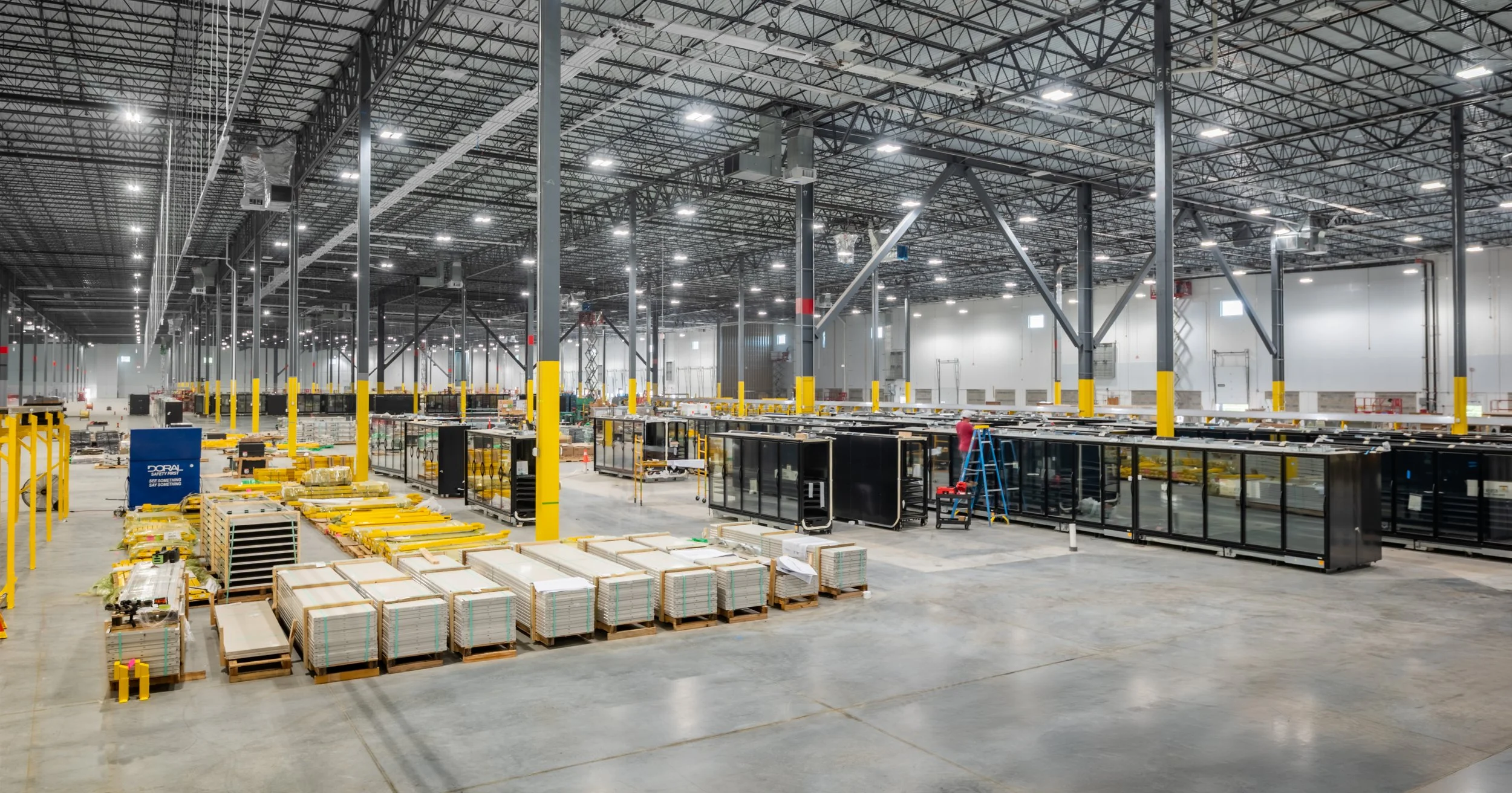
Image taken by Ariel Palma
Photography With Two Very Different Purposes
At first glance, real estate photography and construction photography can appear very similar. Both may
involve photographing buildings, interiors, exterior elevations, architectural details, and surrounding
property. Both require an understanding of composition, light, perspective, and how a space will appear in
a finished image. But the similarity largely ends there. The two services are created for different clients,
used for different purposes, and often require very different workflows.
Real estate photography is primarily designed to help market a property that is available for sale or lease.
The photographer's job is usually to present the home or commercial property clearly and attractively so
potential buyers or tenants can understand the space before visiting it. The assignment often takes place
after the property has been cleaned, staged, and prepared for photography.
Construction photography is different because the project itself may still be developing. Walls may be open,
equipment may be operating, trades may be working throughout the building, and parts of the site may
change significantly between visits. The goal may not simply be to create attractive images. It can also be
to document progress, record important milestones, show workmanship, communicate with stakeholders,
and eventually create marketing imagery that tells the story of the completed project.
Real Estate Photography Is Usually About the Finished Property
A typical real estate photography assignment is built around a relatively short marketing cycle. A
photographer may arrive at a completed property, photograph the important rooms and exterior, deliver the
images, and complete the assignment in a single visit. The photographs then appear on a listing website,
brokerage page, social media account, or other sales material.
That does not mean real estate photography is simple. Good real estate photography requires careful
control of vertical lines, balanced exposures, thoughtful room compositions, and an understanding of what
prospective buyers need to see. However, the photographer is usually working in an environment that has
already been prepared specifically for presentation.
The central question is often: how can this property be represented accurately and attractively for the
market? Construction photography asks additional questions. What stage is the project in? Which work
needs to be documented? What changed since the previous visit? Which details matter to the contractor,
architect, developer, owner, or trade partner? How should today's images connect to the visual record
created over the life of the project?
Construction Photography Documents a Process
Construction projects evolve. A site photographed in March may look completely different by June.
Structural work disappears behind finished walls. Mechanical, electrical, and plumbing systems that are
visible during construction may become inaccessible after closeout. Exterior conditions change as facades,
glazing, landscaping, and site work are completed.
For that reason, construction photography can function as a visual timeline. Regular documentation allows
project teams to see how work developed from one phase to another. When photography is planned
consistently, the resulting archive becomes much more useful than a collection of unrelated snapshots.
Consistency is especially important on long-term projects. Returning to similar viewpoints can help show
visible progress. Ground-level photography can document details that aerial photography cannot, while
drone imagery can provide context for site logistics, roof work, exterior development, and overall progress.
Used together, the two perspectives can provide a much broader visual record.
Working on an Active Job Site Changes the Assignment
An active construction site is a working environment, not a staged property. Photographers may need to
coordinate with a superintendent, project manager, owner representative, or another member of the project
team before beginning work. Access may be limited to certain areas or times, and site-specific
requirements can vary from one project to another.
Photographers working in these environments should be prepared to follow the rules established for the
site. Depending on the project, that may include required personal protective equipment, sign-in
procedures, restricted areas, safety orientations, escorts, or documentation requested before a vendor is
permitted to work.
Insurance can also become part of the process. Some contractors, property owners, or management
teams require outside vendors to provide a Certificate of Insurance before entering a site. The exact
requirements are determined by the client or project, so photographers should never assume that one
policy or document automatically satisfies every job.
This is one of the practical differences between hiring someone primarily accustomed to photographing
finished listings and hiring a photographer familiar with construction documentation. The assignment
involves not only making images, but also functioning professionally within an active project environment
The Images Have Different Audiences
Real estate images are generally created for prospective buyers or tenants. Construction photographs may
have several audiences at the same time.
A developer may want photographs for investor updates. A general contractor may use progress imagery in
internal presentations, proposals, project case studies, or marketing. An architect may want finished
images that demonstrate design intent. A subcontractor may need photographs showing its specific scope
of work. Ownership may want a visual history of the project from early construction through completion.
Because the audience changes, the photographer's priorities may change as well. A beautifully finished
lobby may be important near project completion, while an electrical installation, structural detail,
mechanical room, or active trade may be more valuable during an earlier phase. Strong construction
photography recognizes that the story of a project includes both the polished result and the work required
to reach it.
Construction Photography Can Support Marketing Too
Documentation and marketing are not opposites. In fact, one of the most valuable aspects of professional
construction photography is that selected images can often serve both purposes.
Progress images can become social media updates, website content, presentation material, and
before-and-after comparisons. Photographs of trades at work can demonstrate craftsmanship and
capability. Finished architectural images can become portfolio pieces for contractors, architects,
developers, designers, and specialty trades.
The key is planning. A project photographed only at completion loses the opportunity to show the process.
A project documented without consideration for composition and presentation may produce useful records
but fewer images suitable for marketing. A thoughtful photography program can address both needs.
Choosing the Right Photographer for the Project
When selecting a photographer, the first question should not simply be whether the person can photograph
a building. The better question is whether the photographer's experience matches the type of project and
the intended use of the images.
For a residential listing, a real estate photographer may be exactly the right choice. For an active
construction project, clients should consider experience working around construction operations, the ability
to document progress consistently, insurance readiness when required, coordination with project teams,
ground and aerial capabilities where appropriate, and an understanding of how images may later support
marketing and portfolio use.
Construction photography is ultimately about more than photographing a structure. It is about documenting
the people, processes, details, and milestones that turn plans into a finished environment.
Construction Documentation in NYC and Long Island
Projects throughout New York City and Long Island can involve complex schedules, multiple trades, limited
access, and many stakeholders. Professional documentation provides a consistent visual record while also
creating a library of imagery that can continue to have value after construction is complete
Construction Photo Documentation | Better Records, Fewer Disputes, Faster Payments | Levelset
Construction Site and Progress Photography: A Field Guide for General Contractors | TrueLook
Why Construction Site Photo Documentation Is Your Best Insurance | Aerial Innovations Southeast
What to Photograph on a Job Site to Protect Against Liability | CompanyCam
Best Practices for Construction Site Photo Documentation | OpenSpace
10 Client Communication Best Practices for Luxury Design Professionals | Haute Living
Palma Design is an NYC-based architectural photography studio specializing in construction progress documentation, milestone photography, and completed project portfolios across Long Island, NYC, and the tri-state region. Whether you're a GC protecting your work, a builder communicating with a client, or an architect capturing a design at its most legible, we show up prepared and deliver images that work as hard as you do.
[View our work or get in touch at palmadesigns.studio]