
Construction Photography in NYC: Why Most Job Site Photos Never Make It Into Your Portfolio
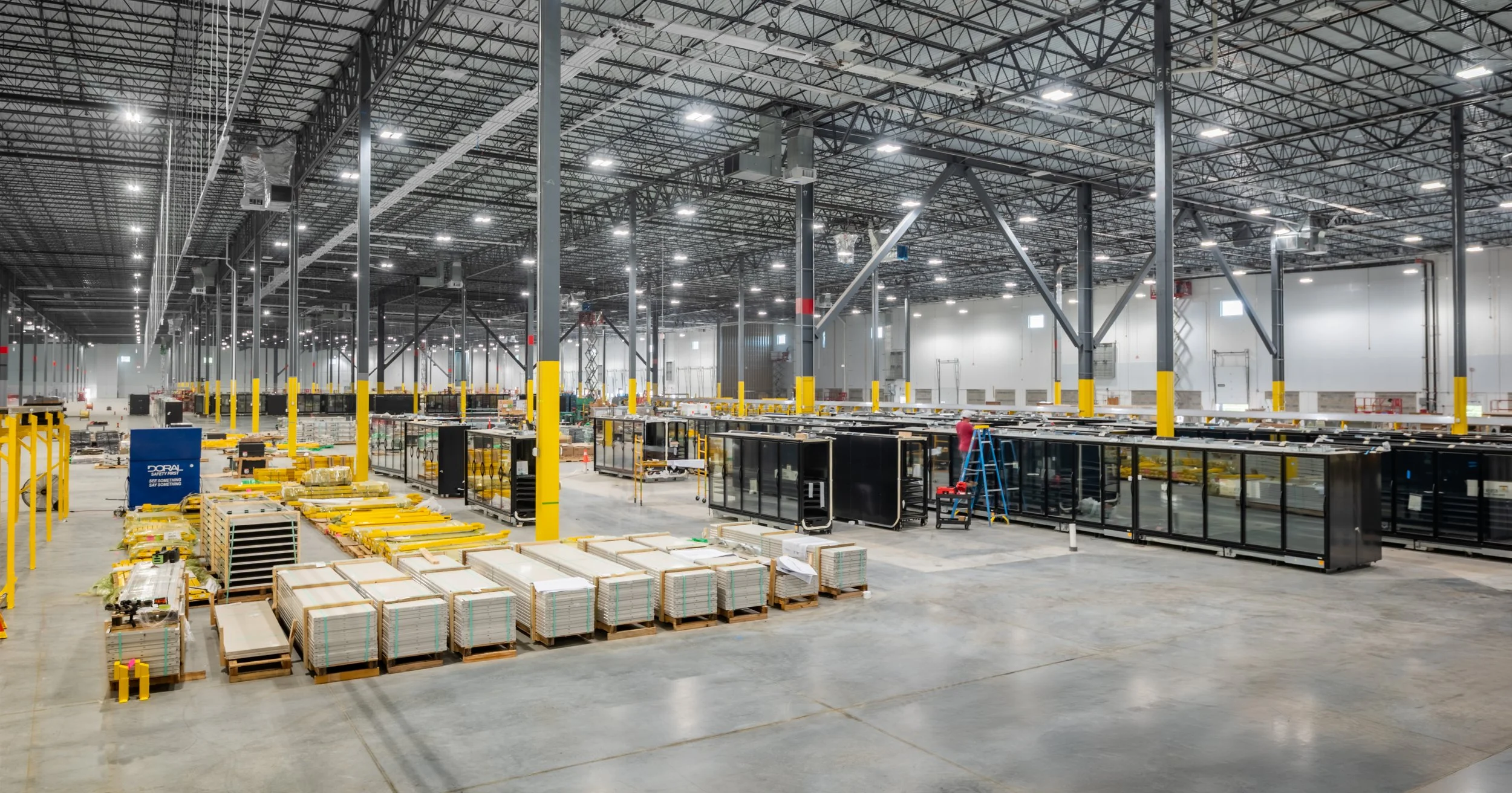
Image taken by Ariel Palma
You finish a project you are proud of. Tight punch list, clean millwork, a client who actually says thank you. Then the photos arrive, and they are a phone snapshot with a stray ladder in the corner, a crooked horizon, and a company truck parked in front of the entrance. The best work of your year, and nothing you can put in front of the next client.
If that sounds familiar, you are not alone. Hiring the wrong photographer, or settling for "good enough," is one of the quietest ways builders, architects, and designers lose work.
The photos are doing more work than you think
Your finished photography is your sales team when you are not in the room. A developer deciding between two GCs, a homeowner in Great Neck comparing three architects, a design editor scanning submissions: all of them judge your craft by the images before they ever call a reference.
Here is the catch. Architectural and construction photography is a different discipline from general photography. A wedding or real estate photographer can be excellent and still miss what matters on your project: verticals that stay vertical, a reveal that reads as a reveal, the right hour when the light rakes across a facade instead of flattening it.
ARCHITECT magazine's guide to hiring an architectural photographer makes a point worth repeating: you need to check that a photographer has shot a variety of building types, because you do not want a sense of sameness across a portfolio. A photographer who has only ever shot staged condos may not know what to do with a ground-up commercial build or a gut renovation.
Pain point 1: The photographer who does not understand a job site
Construction is not a studio. Sequencing matters. The best moment to capture framing, MEP rough-in, or a pour is often a narrow window before drywall or the next trade closes it up. A photographer who does not understand that will show up a week late and shoot the wall instead of the work.
Then there is safety, which is more than a courtesy. An article in Compact Equipment on job site photography warns that a photo can be used to support an OSHA violation, and that plaintiffs' attorneys can obtain job site photos through discovery. Something as small as a trench box that does not reach the top of the trench, or a slope that is not cut back for the soil type, can turn a marketing image into a liability. Your photographer needs to know what a compliant site looks like, frame around problems, and check backgrounds before anything gets published.
Add to that the basics: hard hat, boots, vest, and the judgment to stay out of the way of a crane pick. If your super has to babysit the photographer, the shoot has already cost you more than the invoice says.
Pain point 2: Drone work that is not actually compliant
Aerial photography is where the stakes get real in New York. According to the DroneLife overview of NYC drone regulations, a permit has been required for any drone takeoff or landing within the five boroughs since July 2023, with very limited exceptions. Applications run through NYPD and DOT review and typically need a flight plan, proof of insurance, and FAA credentials. If the flight will capture still images or video, the community boards in the affected districts must be notified, and public notices posted near the takeoff and landing sites.
Commercial drone work also requires an FAA Part 107 Remote Pilot Certificate. A lot of photographers add a drone to their kit without understanding any of this. The result is a shoot that gets cancelled the morning of, or worse, footage you cannot responsibly use because the flight was not authorized. Verify certification and insurance before you book. As Artfolio's hiring checklist notes, many photographers hold drone licenses, but you should check, and permits should be assigned to a named person in the contract.
Pain point 3: Rights, deliverables, and surprises after the shoot
Ask a few architects about their worst photography experience and you will hear the same story: they paid for the shoot, then found out they could not freely use the images. ARCHITECT magazine points out that photographers usually keep the copyright, and unclear terms can complicate later marketing and publishing. The fix is simple but needs to happen before the shoot: define the deliverables (image count, resolution, file format), the usage rights (website, social, awards, print, press), and the number of revision rounds.
Resolution matters more than people expect. Photos that look fine on a phone can fall apart when you submit them for an award program, a trade publication, or a large-format print for your office lobby. Ask for full-resolution, color-corrected files, and ask how long the photographer keeps the originals.
Pain point 4: Cost surprises and unclear value
ARCHITECT magazine puts architectural photography day rates at roughly $1,500 to $4,000 before assistants, equipment, and travel. That is a real investment, so vague quotes are a real frustration. A good proposal itemizes the day rate, assistant, drone operator, permits, travel, and retouching, so you know what you are paying for and what you are not.
Weather is the other budget-killer. If a rainy Tuesday means a rebooking fee, that should be spelled out upfront, not discovered after.
Pain point 5: Images that look too perfect to trust
There is a newer frustration, and it is worth naming. As AI renderings get more common, sophisticated clients are getting better at spotting them. A recent piece from Dan Cumberland Labs describes how renderings that look flawless, with spotless surfaces, perfect grass, and stillness that never occurs in real life, can make a firm look like it is trying too hard. The same article cites an AIA study finding that 94 percent of architects were concerned about AI inaccuracy and 90 percent about authenticity.
For a builder, that is an opening. Real photography of real finished work, shot with real light and real materials, is proof that you can deliver what you promise. A render shows what you hope to build. A photograph shows what you built.
What good construction and architectural photography looks like
Pulling the pain points together, here is a practical checklist for your next hire:
Construction literacy. They understand sequencing, trades, and milestones, and can plan shoots around groundbreaking, framing, mechanicals, substantial completion, and the final reveal.
Site readiness. Proper PPE, insurance, and the discipline to check every frame for safety issues before delivery.
Compliant aerial work. FAA Part 107 certification, liability insurance, and a clear plan for NYC permitting.
Clear paperwork. Written deliverables, usage rights, revision rounds, and weather policy before the first click.
A point of view. ARCHITECT's interviews note that clean, empty views are falling out of favor and images with a stronger point of view are in demand, as long as they still reflect the architect's intent.
That is how Palma Design works. Ariel's background is in design, so the studio approaches a project the way you do: what is the story of this building, who is going to see it, and what does it need to say? Every shoot is planned around your timeline, your shot list, and your site rules, and aerial work is flown by an FAA Part 107 certified pilot.
Why the NYC and Long Island market is its own animal
Shooting in Manhattan is nothing like shooting in Nassau or Suffolk County. In the city you are dealing with tight sidewalks, co-op and condo board approvals, building access rules, and controlled airspace. On Long Island you might be working around waterfront setbacks, long driveways, and light that changes fast across open lots. Both markets are intensely competitive for builders, architects, and designers, which means the quality of your visual portfolio is often what tips a decision.
A photographer who works here regularly already knows the logistics: where to stage, how to coordinate with building management, how to schedule around the light on a Brooklyn brownstone versus a Hamptons estate.
The bottom line
Great photography should not be a gamble. When you hire someone who understands construction timelines, site safety, drone compliance, and the way architects and designers actually use images, the process gets easier and the portfolio gets stronger. Your best projects deserve images that do them justice, and your next client deserves to see them.
Sources
How To Hire an Architectural Photographer, ARCHITECT Magazine
Work Photography Requires Caution; Construction Photos Can Show Violations, Compact Equipment
Architecture photographer hiring checklist: align style, permits, deadlines, Artfolio
Ready to work with a photographer who understands job sites, not just buildings?
Palma Design is an NYC-based architectural photography studio specializing in construction documentation, completed project portfolios, and FAA-certified aerial drone photography across New York City and Long Island. Whether you're a builder documenting a project from groundbreaking to ribbon-cutting, an architect building your portfolio, or an interior designer showcasing your latest install, we speak your language and show up prepared.