
Why General Contractors and Builders in NYC and Long Island Are Losing Jobs to Better Photos — Not Better Work
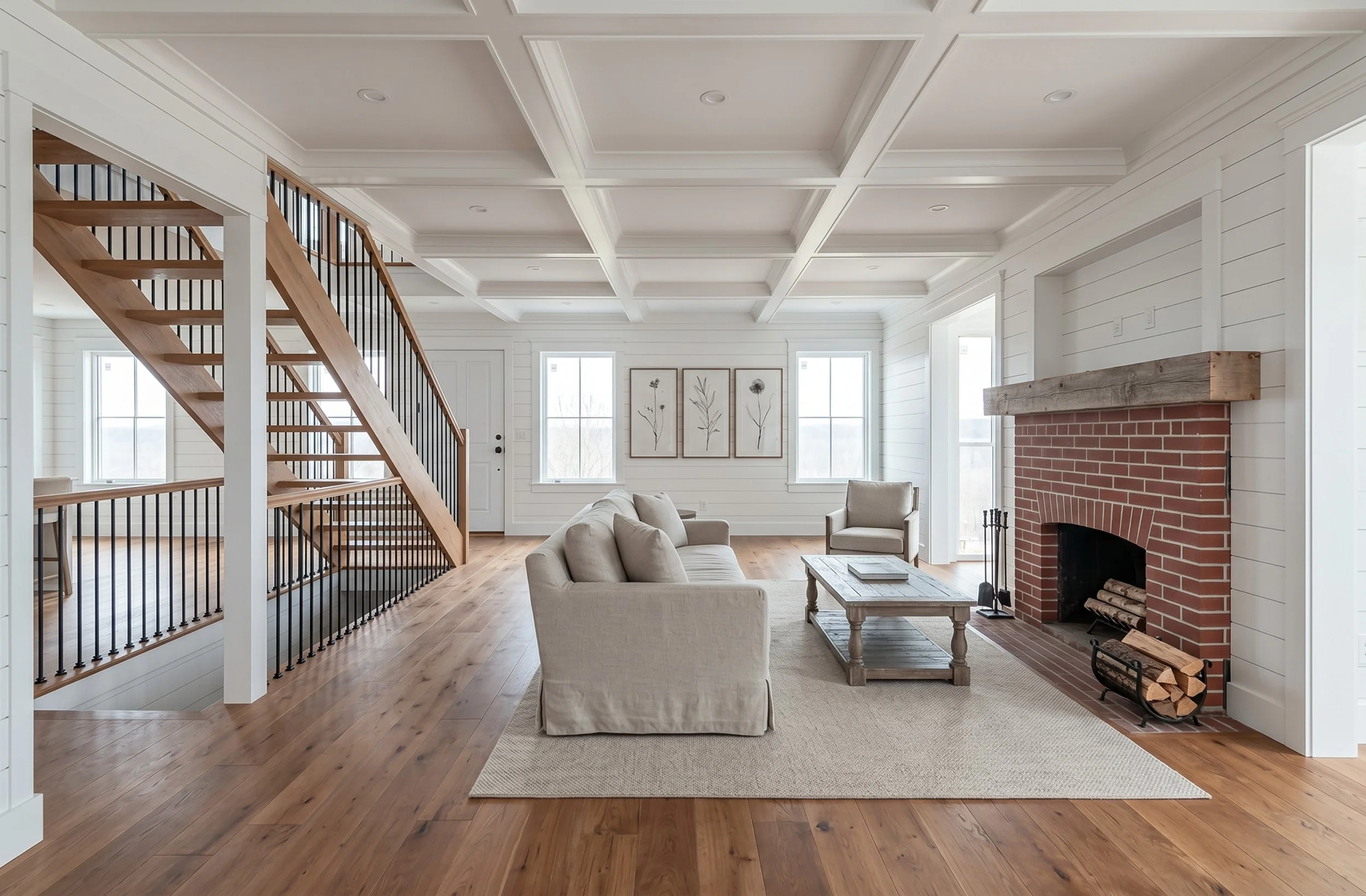
You finished the build. The custom millwork is flawless. The exterior cladding is exactly what the architect specified. The client shook your hand and said it was the best work they'd ever seen.
Then you tried to photograph it with your phone.
Or you hired someone who called themselves a photographer — someone who mostly does headshots and weddings — and the images came back looking like a real estate listing. Flat. Generic. Completely missing what makes your work different from every other contractor in Nassau County.
Here's the painful truth that no one in the trades talks about: you can be the best builder on Long Island, but if your portfolio photos don't look the part, you're losing work to builders who are mediocre at construction but great at documentation. In the NYC and Long Island luxury market — where architects, interior designers, and developers are choosing contractors based on their portfolio before they ever pick up the phone — your images are your first impression. And a bad first impression is a lost opportunity.
So let's talk about what's actually going wrong, and how to fix it.
Pain Point #1: Most Photographers Don't Understand What You Actually Built
A general wedding or real estate photographer will walk onto your job site and see rooms. They'll find a nice angle, make sure the lighting looks decent, and deliver edited images within a week.
What they won't do is understand the difference between standard framing and the engineered structural spans you pulled off in that open-plan kitchen. They won't know to shoot the custom concrete foundation detail that took your crew three weeks to form and pour. They won't recognize that the exterior stone coursework required a mason with 30 years of experience, or that the copper flashing at the roofline is a choice that distinguishes your builds from everyone else's.
They don't know your language. So they can't tell your story.
Architectural and construction photography isn't just about making a building look good — it's about communicating craft, precision, and design intention to the people who will hire you next. That requires a photographer who understands what they're looking at. Someone who knows what a punch list is, who's comfortable on an active job site, who can identify the details worth documenting before the drywall goes up and buries them forever.
This is one of the most consistent complaints you hear from builders who've been burned by the wrong hire: the photographer captured the finished space but missed the story of how it was built. And in a market like NYC and Long Island — where high-end clients expect to see evidence of your process, not just your product — that's a critical miss.
Pain Point #2: You're Shooting Too Late (or Not at All)
Most builders wait until the project is completely done to even think about photography. The client has moved in, the furniture is placed, and the cleaning crew has been through. That's when someone finally says, "We should get photos."
But by then, you've already lost your best opportunity.
The most compelling construction portfolio images often aren't the finished rooms — they're the in-between moments. The steel frame silhouetted at golden hour. The exposed timber before the ceiling went up. The site at a particular phase where you can see the scale and complexity of what you were managing. These are the images that make architects and developers stop scrolling.
Progress documentation also matters for a reason that goes beyond aesthetics: it protects you. Detailed photo documentation of each project phase creates a visual record that's invaluable for dispute resolution, change order tracking, and client communication. It's the kind of documentation that a savvy GC builds into every project as a matter of professional practice, not an afterthought.
And yet the vast majority of contractors in the NYC and Long Island market have no systematic plan for documenting their work. Photography gets pushed to the end of the punch list — and then it gets dropped entirely when the next project starts and everyone's attention shifts.
The result is a portfolio full of gaps. Years of extraordinary work, undocumented.
Pain Point #3: Your Portfolio Isn't Positioning You for the Clients You Actually Want
Here's a scenario that plays out constantly in this market: a developer or interior designer is looking for a GC to handle a $3 million renovation in the Hamptons or a custom build in Locust Valley. They search online, they ask for referrals, and they look at portfolios.
One contractor has five iPhone photos and a couple of blurry exterior shots taken in bad light. Another has fifteen professionally photographed images that show beautifully lit interiors, precise exterior details, and a clear visual identity — you can tell immediately that this builder takes pride in their work and is used to working at the high end.
It doesn't matter if the first contractor is technically superior. The second one gets the call.
This is the dynamic that builders who work in the luxury residential and commercial space in NYC and Long Island are up against. The clients who commission the projects worth having — architects, designers, developers — make quick judgments based on visual evidence. Professional photography isn't a vanity expense; it's a business development tool. Done right, a single well-executed shoot can drive new client inquiries for years. It feeds your website, your social media, your award submissions, your pitch materials, and your press outreach — all at once.
The ROI isn't abstract. Builders who invest in professional architectural photography consistently report that it changes the quality of the clients who reach out to them. You stop competing on price against builders who aren't in your tier. You start attracting the projects that actually match your skills and your ambitions.
What to Look for in a Construction Photographer
Not every architectural photographer is the right fit for construction and builder work. Here's what actually matters when you're choosing who to hire in the NYC and Long Island market:
They're comfortable on job sites. An active construction site is not a photo studio. The right photographer has been on enough sites to understand the rhythms, the safety requirements, and the access realities. They know when to coordinate with your crew and when to work independently.
They understand the design and construction process. You want someone who can look at your work and understand why something was done — not just what it looks like. The best architectural photographers have spent time around architects and builders. They know what details matter and why.
They shoot for your audience. If you're trying to attract architects, interior designers, or high-end residential clients in the New York metro area, your images need to look and feel appropriate for that audience. That means composition, lighting, and editing choices made with your intended viewer in mind — not a generic set of photography deliverables.
They plan with you, not just for you. The best shoots happen when the photographer understands the project before they arrive. That means a pre-shoot conversation about what you want to communicate, what details you're proudest of, and what the images need to accomplish in your business.
They can shoot multiple phases. If you want to document a project from groundbreaking to completion, you need someone who can build an ongoing relationship with your team across the life of a project — not just drop in at the end.
Palma Design: Built for Builders
At Palma Design, we specialize in architectural and construction photography for builders, general contractors, architects, and interior designers in the NYC and Long Island market. We understand job sites. We understand the construction process. And we understand the specific audience — luxury residential clients, developers, designers — that you're trying to reach with your portfolio.
We work with you to identify the right moments to shoot, from mid-construction documentation to final reveal. We know what details to look for, how to work around active trades, and how to create images that communicate your craftsmanship clearly and compellingly.
We're not generalists who photograph everything. We focus on the built environment — residential and commercial projects that represent serious craft and design — and we bring that focused expertise to every shoot.
If you've been relying on iPhone photos, mediocre vendor shots, or no portfolio photography at all, this is the year to change that. The NYC and Long Island luxury market is competitive, and the contractors who document their work well have a measurable edge over those who don't.
Ready to start building a portfolio that actually wins you work? Get in touch with Palma Design at palmadesigns.studio to discuss your next project.