
Why Your Construction Photos Are Costing You Clients (And What to Do About It in NYC & Long Island)
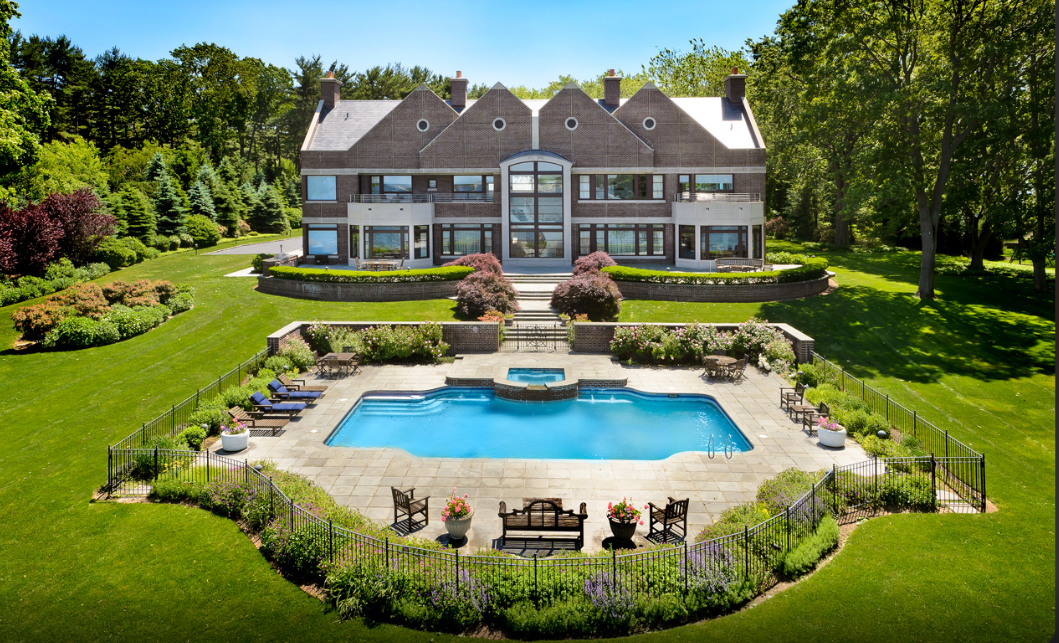
You just finished a project you're genuinely proud of. Maybe it's a custom home on the North Shore with coffered ceilings and a kitchen that took four months to get right. Maybe it's a commercial gut renovation in Brooklyn that came in on time, on budget, against every odd. You hand over the keys. The client is thrilled. You pull out your phone, snap a few shots in the golden-hour light coming through the front windows, and figure you'll deal with the portfolio stuff later.
Six months pass. A potential client asks to see your recent work. You send over the phone photos — a little dark, slightly crooked, the furniture still staged from the moving company. The lead goes cold.
This scenario plays out constantly in the construction and architecture world, and it's costing contractors, builders, and designers real money. Not because they don't do great work — but because their photography doesn't reflect it.
The Generalist Problem: Not Every Photographer Speaks Your Language
One of the most common mistakes builders and architects make when they do decide to invest in photography is hiring the wrong person. It's easy to fall into the trap of choosing whoever is affordable and available — a portrait photographer who dabbles in real estate, a friend with a full-frame camera, or a general commercial photographer who has never set foot on a job site.
The problem isn't that these photographers lack talent. It's that architectural and construction photography is a deeply specialized field. Capturing a finished building well requires an understanding of light — not just natural light, but how to light an interior so the space looks inhabited and warm without the lighting equipment being visible. It requires knowing which lens eliminates barrel distortion on a 10-foot ceiling versus which one flatters a narrow hallway. It requires knowing the difference between a photo that documents a space and a photo that sells it.
An inexperienced photographer on a job site faces compounding challenges. They tend to fall back on wide shots that try to capture everything at once — which, ironically, ends up conveying nothing. They miss the detail that you spent weeks getting right: the custom millwork profile, the way the stone transitions at the threshold, the reveal in the ceiling where the LED tape light sits. Those are the details that demonstrate craftsmanship. Those are the details that win the next bid.
Beyond aesthetics, there's the practical reality of construction sites. A photographer who isn't familiar with site safety protocols can create real friction — showing up without proper footwear, not understanding sequencing, walking into spaces that aren't ready. That wastes everyone's time. An experienced construction and architectural photographer knows how to move through a site efficiently, what to shoot at each phase, and how to work with your crew rather than around them.
Timing Is Everything — And Most People Miss the Window
Here's the thing that most builders and architects don't realize until it's too late: there's a very specific window to get the best photos of a finished project, and it's surprisingly short.
That window falls after the tradesmen have cleared out but before the client has fully moved in and personalized the space. It's when the paint is fresh, the floors haven't been scuffed, the staging is intentional, and the light is still your design rather than someone's standing lamp and accumulated life.
Miss that window and you're working against yourself. Too early and the space is cluttered with construction debris, tools, and punch-list items that pull focus. Too late and you're shooting around a family's belongings, personal photos on the walls, and furniture placement you didn't choose.
For builders and general contractors, this timing challenge is compounded by the fact that job sites are unpredictable. A project that was supposed to wrap in March finishes in late April. The photography never gets scheduled. Another project starts. That beautiful work — weeks of skilled labor, careful detailing, problem-solving that would make any client proud — goes undocumented.
The solution isn't just booking a photographer after the project wraps. It's working with a photographer who understands construction timelines, who can be flexible when punch lists run long, and who knows how to communicate with your project manager to find the right moment. Progress documentation throughout the build also matters more than most contractors realize — not just for marketing, but for protecting yourself legally and for demonstrating process and professionalism to future clients.
A photographer who has shot dozens of builds in the NYC and Long Island market understands this rhythm. They know how to work around active sites, how to document key milestones, and how to be ready when the window opens.
Your Portfolio Is Either Opening Doors or Closing Them
Let's talk directly about the business case, because this is ultimately where the rubber meets the road.
In the New York metro market — where competition among builders, GCs, architects, and interior designers is intense — your portfolio is one of your most powerful sales tools. Potential clients are comparing you to multiple vendors. Before they ever speak to you in person, they've already looked at your website. They've scrolled your Instagram. They've made a judgment.
One well-executed before-and-after photo series of a completed project communicates more than any amount of copy. It shows process, professionalism, and the quality of your finish. It builds trust before the first phone call. And when it's done right, it doesn't just get you considered — it gets you hired.
The inverse is also true. Blurry phone photos, awkward angles, poor lighting — these actively undermine confidence in your work, even when the underlying craftsmanship is excellent. A general contractor with a $2M completed custom home on their website, shot on a smartphone with mixed light and cluttered staging, is going to lose work to a competitor with half the skill but professional photography. That's a painful reality, but it's the market you're operating in.
The builders and architects who consistently win premium work in NYC and Long Island are the ones who treat photography as an investment, not an afterthought. They budget for it the same way they budget for any other professional service. They schedule it with the same discipline they apply to subcontractor coordination. And they choose photographers who understand their world — the materials, the craft, the language of construction.
What to Look For in an Architectural Photographer for Your Next Project
If you're a builder, contractor, architect, or interior designer in NYC or Long Island evaluating photographers, here's what actually matters:
Specialization, not generalism. Look for someone whose portfolio is primarily architectural and construction work — not a photographer who "also does architecture." The skill set is distinct, and the portfolio should prove it.
Site experience. Ask directly whether they've worked on active job sites. A photographer who is comfortable in a construction environment will move efficiently and understand what you need documented at each phase.
Flexibility and communication. Construction timelines shift. You need a photographer who can adapt and who will stay in contact with your team to nail the timing window rather than disappear when the schedule moves.
Local market knowledge. The NYC and Long Island market has its own character — the scale of the projects, the density of competition, the clients who are comparing your portfolio to a dozen others. A photographer who has worked extensively in this market understands what imagery resonates here.
A clear sense of what images are for. The best architectural photographers don't just show up and shoot. They ask: How will these images be used? Website? Instagram? Press submissions? Bid packages? The answer shapes the entire approach.
Palma Design: Built for Builders, Architects, and Designers in NYC & Long Island
At Palma Design, architectural and construction photography is all we do. We serve builders, general contractors, architects, and interior designers throughout the New York metro area — from luxury custom homes in the Hamptons and Nassau County to gut renovations in Brooklyn and Queens.
We understand construction timelines because we've worked alongside hundreds of builds. We understand what details matter architecturally because we speak that language. And we understand the competitive pressure you're under in this market — which is why we treat every project with the same level of intentionality and craft that you bring to yours.
Your work deserves photography that reflects it. If you're finishing a project and want to do it justice, or if you're ready to overhaul your portfolio with imagery that actually opens doors, we'd love to talk.
Reach out to Palma Design at palmadesigns.studio to schedule a consultation. Let's make sure your next finished project doesn't just impress your client — it wins you the next ten.
Palma Design · Architectural Photography · Drone Documentation · Web Design · NYC, Long Island & North NJ